
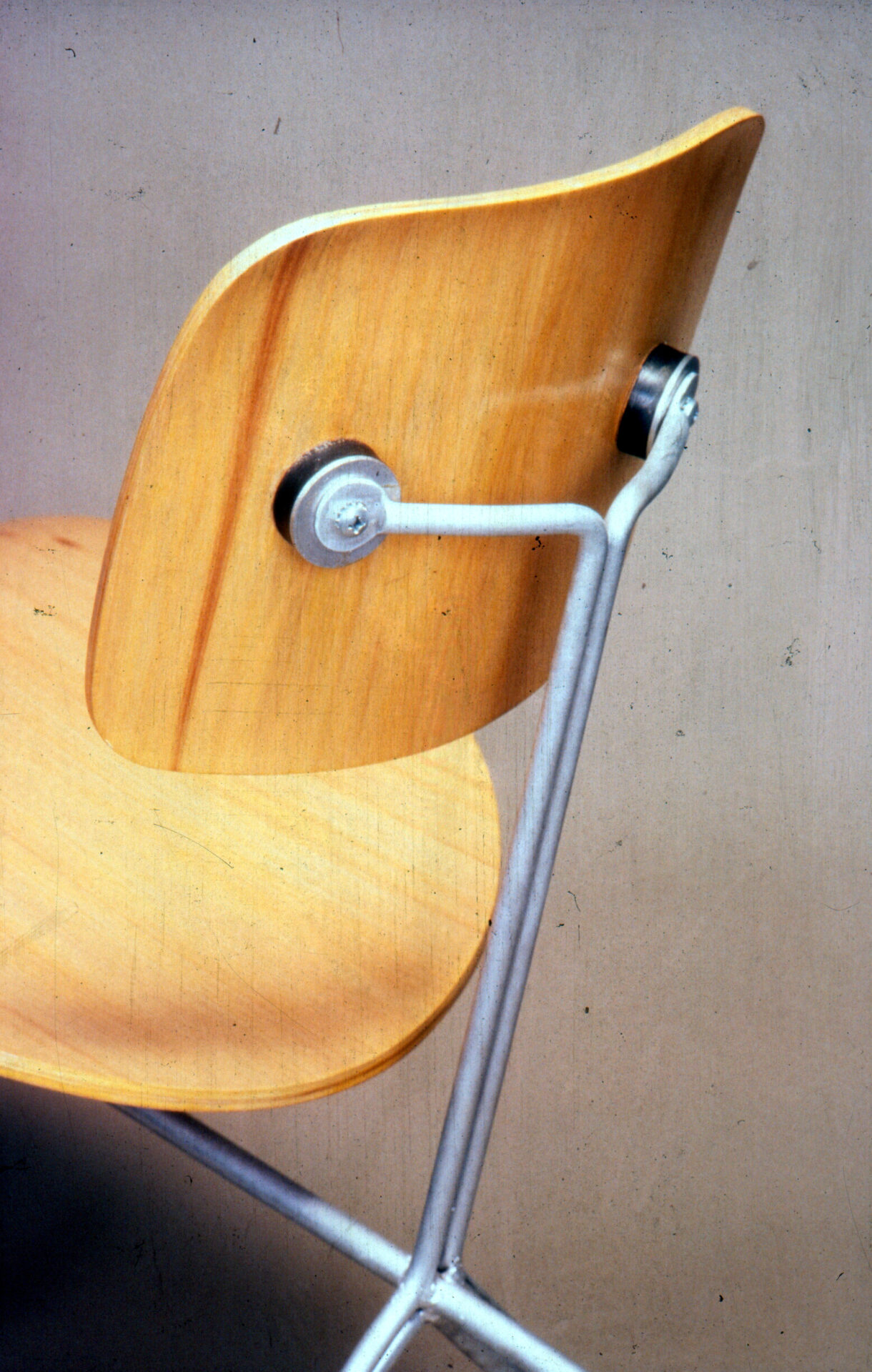

The name Totemics was far from mere caprice, and was to pay homage to Claude Lévi-Strauss and his work and influence.
Totemics was about how to enable good, open ended but purposeful conversations, ones more likely to see curiosities and small nuggets of knowledge as potentially priceless. Where similarities and differences between people felt good, felt energising, and where challenge felt positive. Conversations where jargon was irrelevant and people forgot about status or did not feel the need to parade specialist know how. And, very essentially, where there will be no need to reach for the flip chart or whiteboard.
As Lévi-Strauss had said, and there is more by way of description elsewhere on the website, the use of objects and images are far from being primitive devices. We humans have always utilised them quite naturally as devices to help order and categorise our world. And to build the subtle differences and preferences with which we underpin the basics of our cultures, and allow for a modicum of variation as well as the boundaries which we must keep within.
Lévi-Strauss explains that in our early civilisations the use of an image or totem was to encapsulate and then represent the properties of something, and to recognise not only the value of the property itself but the expertise of those individuals who were skilled in understanding and utilising them. Variety and diversity therefore held a legitimate place at the table.

It is easy to underestimate how much of this we still do without noticing. A team that keeps a battered old object on a shelf because it “represents” a project’s early struggles is doing exactly what Lévi-Strauss described, using a thing to stand in for a bundle of meaning that would take far longer to explain in words. Totemics simply makes that instinct deliberate, and puts it to work.
Totemic Conversations
Totemic conversations began by using sets of objects and images to explore differing perspectives around a project or issue. A little later came a form of mapping and cartoon making that seemed useful in giving more by way of focus. Gradually it became obvious that the conversations using the object and image sets worked because we all naturally use metaphor as we talk. We might say, for example, “I bumped into Mark this morning”, a phrase in use to stand for something, as one thing in terms of another. The metaphor captures a bundle of things that convey the way in which we met Mark. And, if we wished, it would open avenues for more questions and a deeper conversation now or later, and a visual metaphor associated with a Totemics routine would do the same sort of thing.
Totemic conversations work well at the beginning of any initiative, when things are still fragile and when there is a need to clarify things without coming down too quickly in any one direction. Useful when there is a need to build a bridge across functions and accommodate diverse perspectives, more as an aide mémoire than a set of absolute directives. Later, when an early direction of travel has thrown up previously unforeseen issues, revisiting the aide mémoire Totemic can be worthwhile, as woven within the image references are the memories, snatches of conversation or phrases of shared and diverse opinions. These are, in effect, handy hooks for when collaboration and development work needs renewed reflection.
Lévi-Strauss is far from an easy read, he is challenging and at times obscure, but he provides real insights on the aspect of categorisation in the way human thought works, particularly as we create our material world. And there is also the valuable insight on categorisation, that it is via categorisation that we find, and need to find, our own individual place in the world. We are cast adrift without one.

It is that last point that, for me, explains why the objects and images never feel like a gimmick once a group has actually used them. They are not decoration on top of the conversation, they are doing the same job categorisation has always done for us, giving each person in the room a way to place themselves, and their idea, somewhere they can point to and say, this is where I stand.